Nikon Leadership Change 2026 – New CEO, Strategic Shift & Future Vision
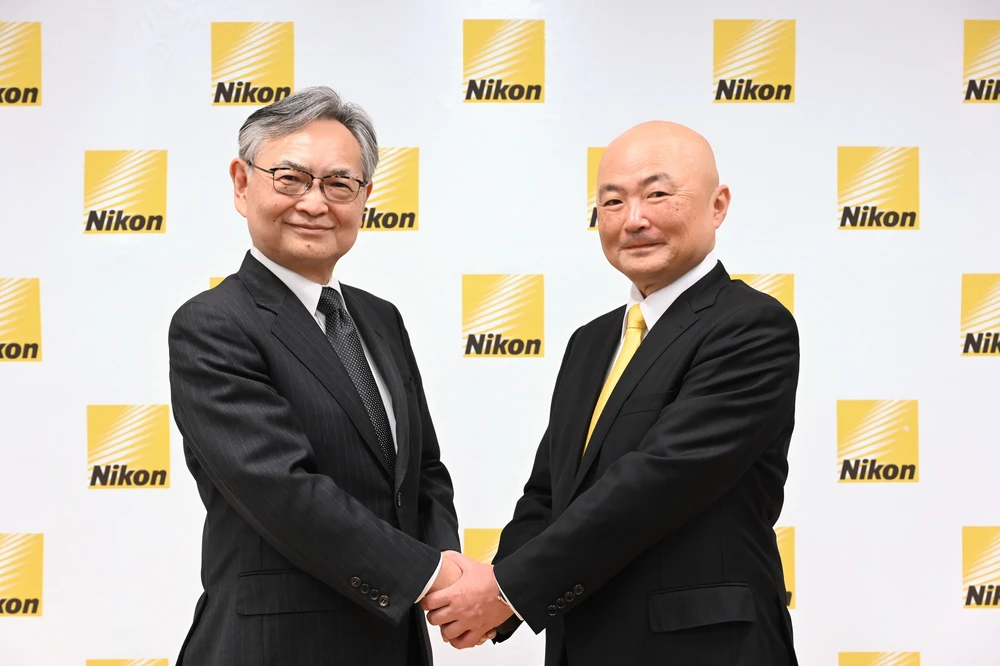
Starting April 1, 2026, Nikon will implement a new management structure that could signal the beginning of a significant new chapter for the company. Yasuhiro Ohmura will assume the role of President & CEO, while Muneaki Tokunari becomes Chairman.
This is not just an executive reshuffle. It represents a strategic inflection point.
And when Nikon changes leadership, the industry pays attention.
A CEO with Deep Optical DNA
Ohmura is not a purely financial executive. He is an optical engineer who played a key role in developing:
- Interchangeable camera lenses
- Microscope objective lenses
- Projection lenses for semiconductor lithography systems
He also served as Head of Optical Engineering and later CTO, driving the vision:
“Unlock the future with the power of light.”
Since 2021, he has led corporate-wide strategic initiatives and headed the Healthcare Business Unit. This combination of deep technical expertise and corporate leadership suggests continuity — but also acceleration.
A New Five-Year Management Plan Begins
With Ohmura’s appointment, Nikon launches a new Medium-Term Management Plan (2026–2030).
The strategy aligns with Vision 2030, positioning Nikon as:
“A key technology solutions company in a global society where humans and machines co-create seamlessly.”
This statement clearly indicates that Nikon aims to be recognized not only as a camera manufacturer, but as a broader technology powerhouse.
What Could Actually Change?
While the announcement is formal and measured, several strategic implications emerge:
1. Stronger Focus on High-Margin Sectors
Semiconductors, automation, and healthcare offer more stability and growth potential than the traditional camera market.
2. Cross-Divisional Technological Innovation
An optics-driven CEO may encourage stronger integration between:
- Imaging Division
- Industrial Solutions
- Medical Technologies
Optics remains the core technological foundation.
3. Long-Term Technological Positioning
The “humans and machines co-creating” narrative suggests deeper integration of automation, AI-driven systems, and advanced hardware engineering.
And What About Cameras?
Naturally, this is the key question for photographers.
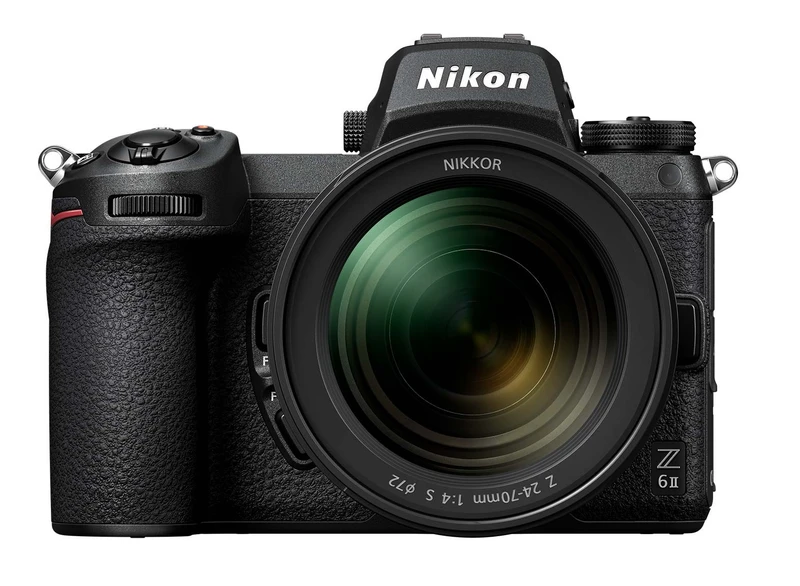
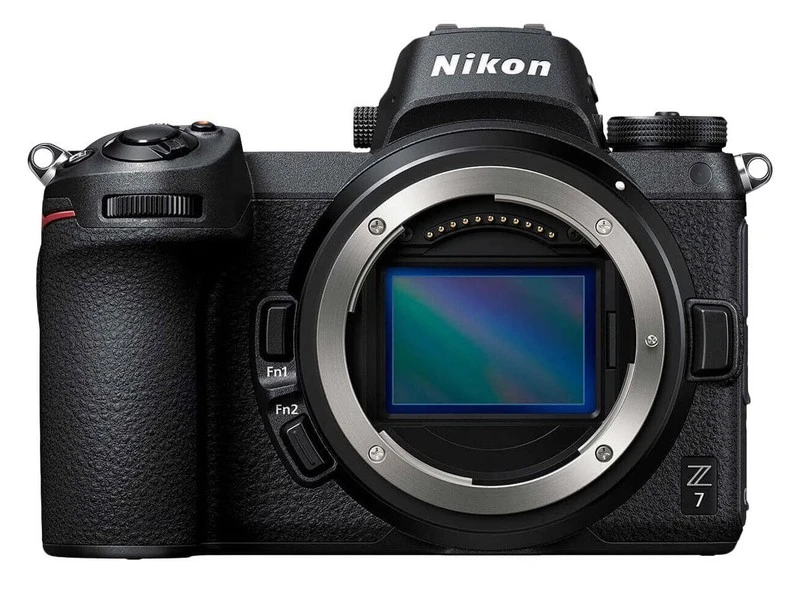
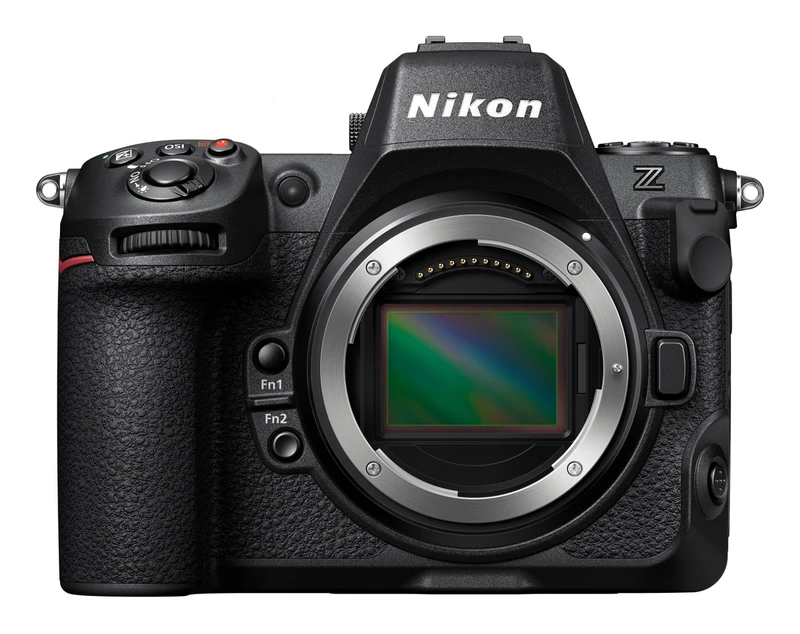
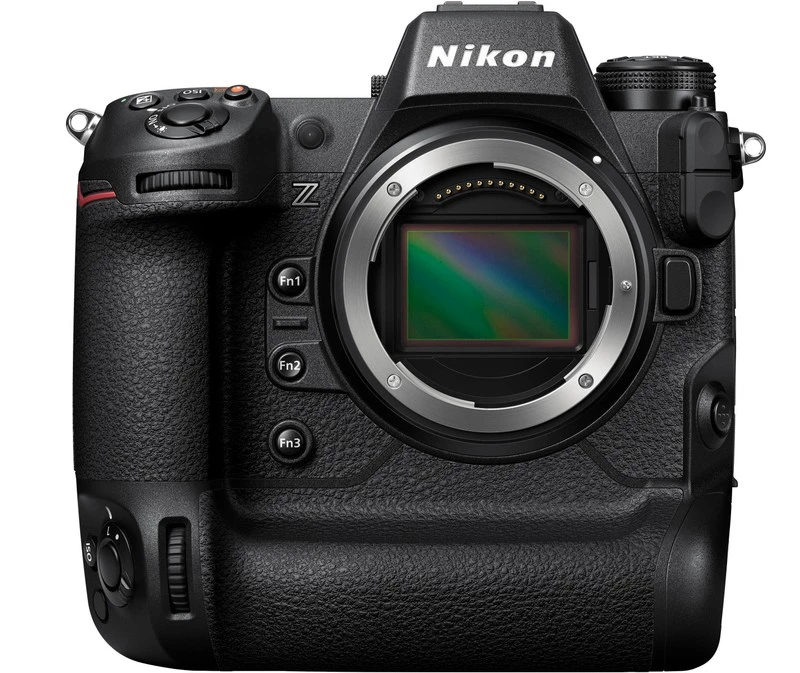
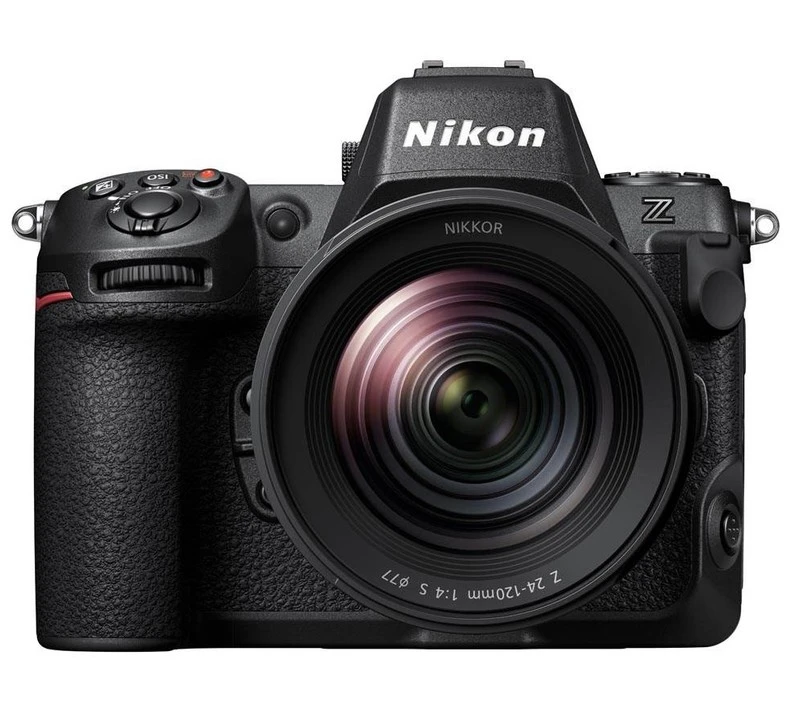
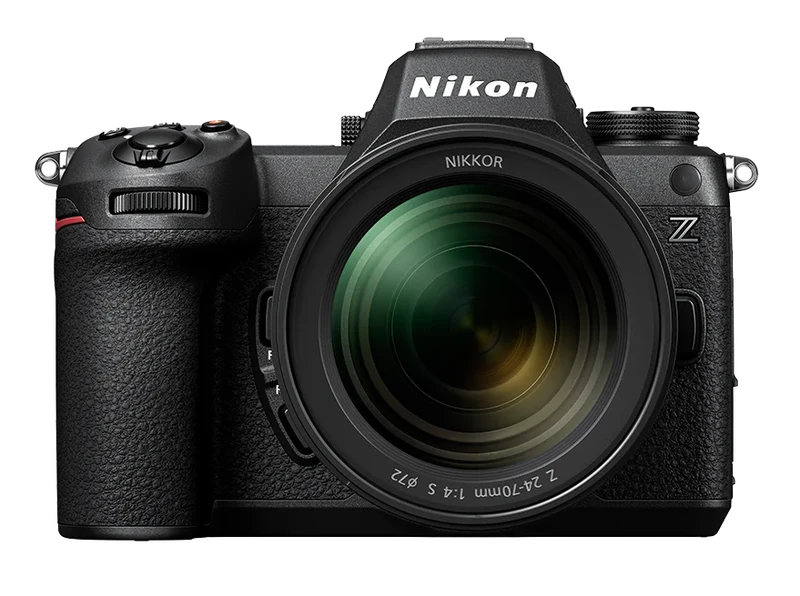
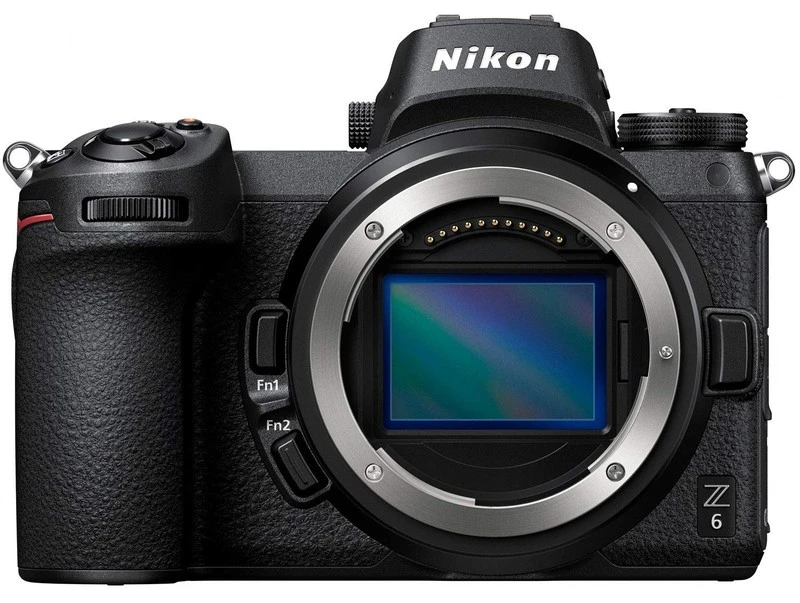
There were no specific announcements regarding the Z-mount system or the Imaging Division. However, Ohmura’s direct involvement in lens development indicates a deep understanding of Nikon’s core identity.
Possible implications:
- Stronger optical innovation
- Strategic consolidation of the Z ecosystem
- A more technology-driven roadmap rather than purely marketing-driven releases
A Transition, Not a Disruption
This leadership change does not appear to signal a radical pivot. Rather, it reflects an ongoing evolution. Nikon has been gradually diversifying beyond cameras for years.
Now, that strategic direction moves fully to the executive center.
Conclusion: Expectations Are Rising
When a company with over a century of history reshapes its leadership, it signals intention.
Will Nikon become more technology-focused? Will Imaging receive renewed innovation? Will industrial optics dominate the roadmap?
2026 will not be a neutral year for Nikon.
A new phase begins — and the global industry will be watching.
Useful links
Some links may be affiliate links (sponsored).