




Oppo Cameras

The brand has positioned itself as a benchmark in the convergence between optical hardware and computational intelligence, under a premise they call "Human-Centric Innovation." Its current development engine is the LUMO Image Engine, a proprietary image processor (ISP) that works in parallel with th...

Brand Info

Company Name
Oppo
Official website
Full description

The brand has positioned itself as a benchmark in the convergence between optical hardware and computational intelligence, under a premise they call "Human-Centric Innovation." Its current development engine is the LUMO Image Engine, a proprietary image processor (ISP) that works in parallel with the main chip to manage the massive flow of data from high-resolution sensors (such as the new 200 MP ones). Unlike other manufacturers that strive for maximum digital sharpness, OPPO's technology focuses on "naturalness," using deep learning algorithms to recreate depth of field and bokeh physically, not just through software.

The pillar of its ecosystem is the strategic alliance with Hasselblad, which goes beyond a simple logo on the case. This collaboration has given rise to the Natural Color System, a standard that calibrates each lens (remembering your terminological preference) so that the chromatic response is identical at all focal lengths, eliminating tone variations when jumping from ultra wide angle to telephoto. In addition, its periscopic double telephoto lens technology has solved one of the industry's biggest challenges: maintaining quality in intermediate ranges, allowing the brand to offer real "optical quality" from 14mm to 300mm without loss of detail.

In terms of utility and future, the brand is expanding its boundaries towards mobile professional post-production. With the introduction of formats such as O-Log2 and color management under the ACES standard, OPPO technology is not only used for capturing, but also integrated into film and advertising workflows. This allows advanced uses such as professional color grading directly on the device or the export of 16-bit RAW files, transforming the smartphone into a production node capable of competing with dedicated mobile workstations.

Oppo Find X9 Ultra
Oppo 1112

Oppo Find X9 Ultra

  • 1112

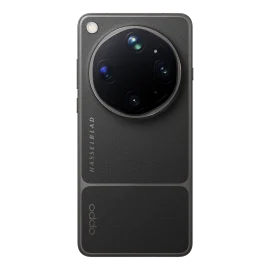
He OPPO Find X9 Ultra It is positioned as a smartphone clearly oriented towards advanced photography, with a camera system that prioritizes real versatility over simple marketing numbers. Its configuration includes multiple high-resolution sensors —highlighting two 200 MP— along with a focal range that covers from ultra wide angle to extreme telephoto. This allows you to work with different perspectives without depending so much on digital zoom, coming closer to the logic of a traditional photography kit than to that of a conventional phone.From a technical point of view, the device incorporates tools that aim for a more professional workflow: advanced RAW capture, LOG-type color profiles for video, and a collaboration with Hasselblad that seeks to improve color reproduction and the final aesthetics of the image. Added to this is a very complete video recording capacity, with high frame rate and wide dynamic range options, making it a viable tool not only for photography, but also for more demanding audiovisual creation.In terms of uses, the Find X9 Ultra eIt fits especially well in travel photography, street photography and content for networks where flexibility and speed are valued without sacrificing quality. It can also work as a lightweight alternative for creators who typically work with dedicated cameras, especially in situations where carrying additional gear isn't practical. However, its true value appears when the user understands how to take advantage of its different focal lengths and capture options, since it is a device that rewards photographic knowledge more than automatic use.


Recommended Reading