Sony Alpha A6400: Strengths and Weaknesses in 2026?
In the relentless pursuit of personal and creative improvement, there's a universal feeling: analysis paralysis. We often find ourselves immersed for weeks in the search for the supposedly "perfect" camera. We convince ourselves that only the latest model, with its promises of simplicity and technical excellence, will be able to fully unleash our potential.
But what happens when the answer lies not in abundance, but in restraint?
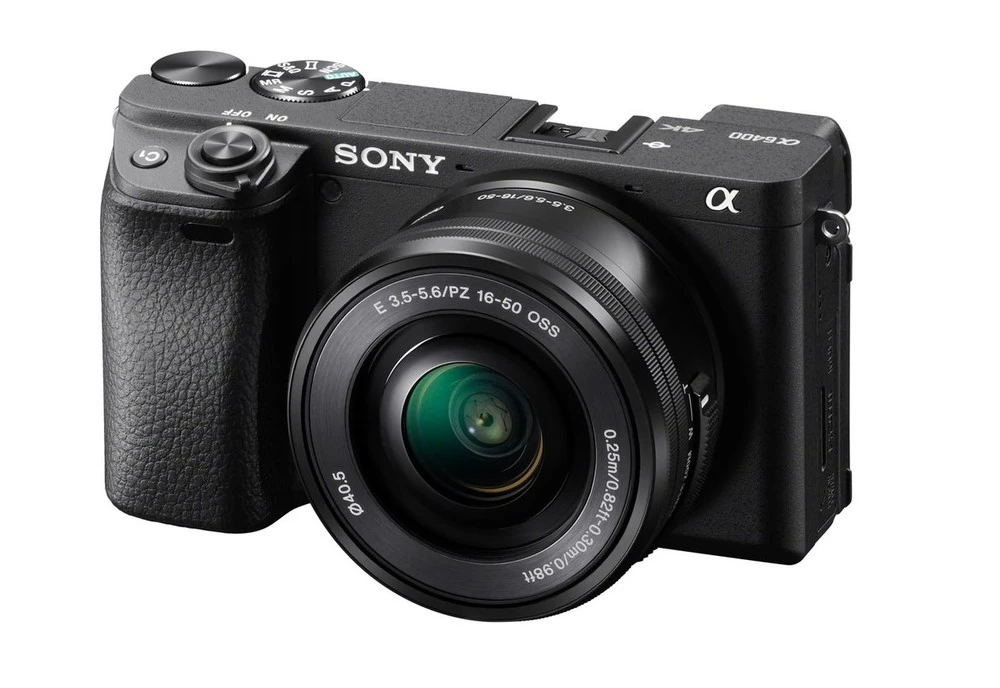
The Sony Alpha A6400. A 2019 camera that, on the cusp of 2026, should be obsolete. Yet, it refuses to disappear from the hands of the most serious creators. The question we ask ourselves is not: What's missing?, but: Why does it remain such a profoundly intelligent choice?
This isn't just another technical analysis. It's a reflection on how the limitations of a tool can forge mastery. We discussed how the lack of in-body image stabilization (IBIS) isn't a flaw, but a teacher that forces you to master intentional movement, whether through technique or with a gimbal. We discovered how its 8-bit limitation, instead of modern 10-bit, removes the safety net of "fixing it in post-production" and forces you to master what matters most: lighting during capture.
While the A6400 "restricts" you in areas that foster discipline, it "liberates" you where it matters most: its AI autofocus remains spectacularly reliable, allowing you to focus on your message, not the technique.
This camera is the tool of "non-dependence." It's the choice of those who decide that investing in lenses, audio, and lighting is more important than a camera body that does everything automatically. This is nothing less than the cure for analysis paralysis.