The retro '80s aesthetic and why it still captivates photographers
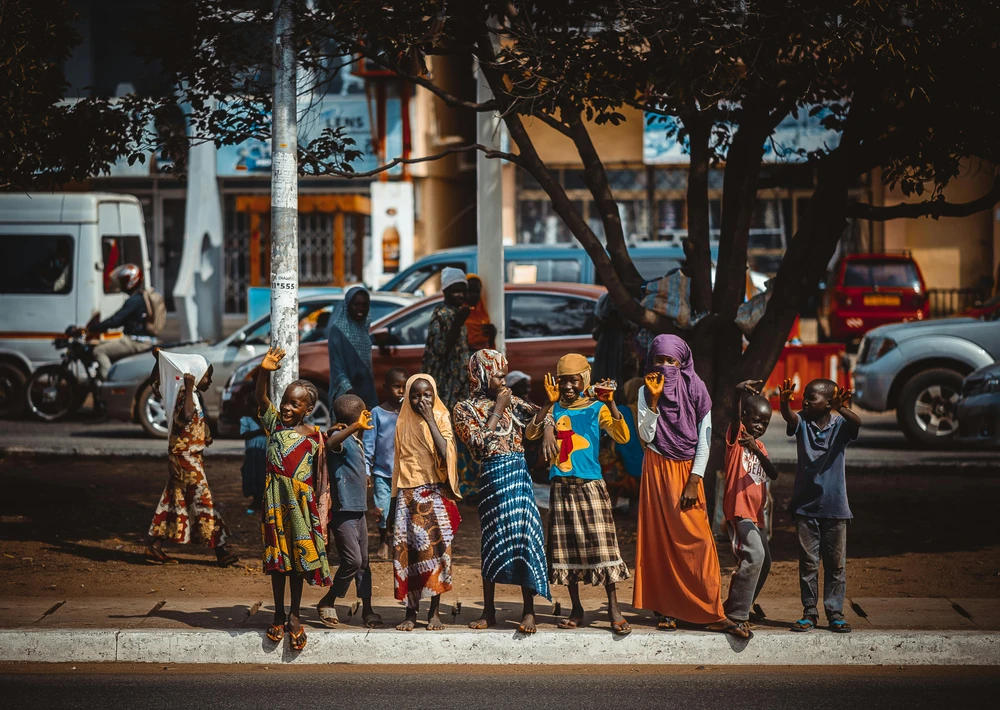
There's something about photographs from the '80s that's hard to ignore. Those warm tones, the soft shadows, that almost tactile feeling of the image. It's not just nostalgia — there's something technical behind it that's worth understanding.
The key is in the photographic film. Unlike digital sensors, film responded to light organically: highlights didn't burn out suddenly, shadows retained detail, and colors blended with a naturalness that was difficult to reproduce. Each emulsion had its personality. The Kodak Portra 400 was warm and flattering on furs. The Kodak Gold brought that yellow-orange accent that many associate with childhood family albums. The Fuji Pro 400H, on the other hand, was more airy, with slightly greenish shadows and a very particular softness. They were, in a certain sense, author filters incorporated into the material.
With the arrival of digital everything became more precise, but something was lost along the way: that organic imperfection that made each analog photo unique. Modern sensors capture with surgical clarity, contrasts are strong and colors are intensely saturated. Technically superior, visually cooler.
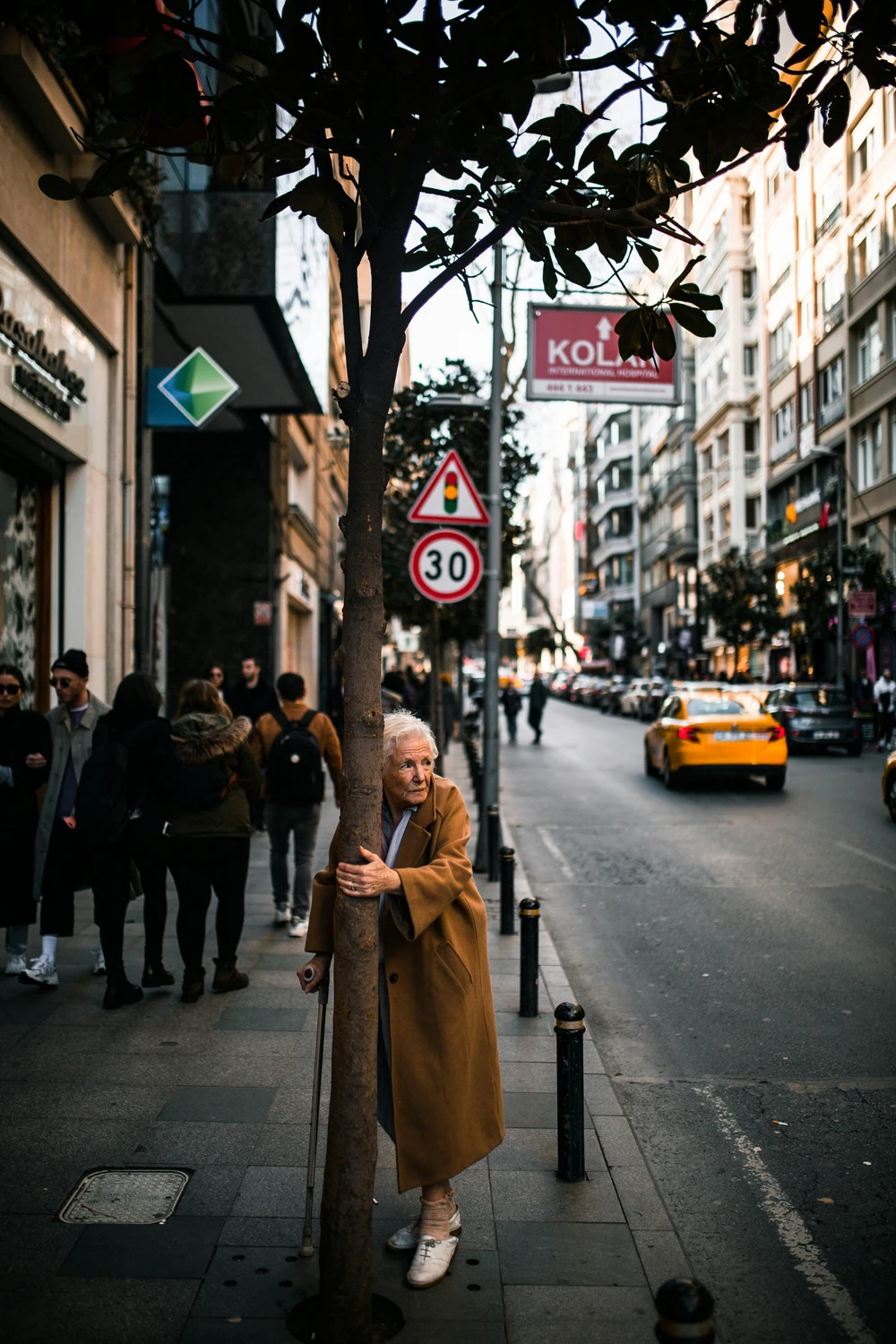
That explains why so many photographers are actively seeking that look back.
Not out of blind nostalgia, but because it still works. Fujifilm understood this a long time ago and developed its film simulations — color profiles that imitate the behavior of classic emulsions — available in cameras such as the Fujifilm X-T50, the Fujifilm X100VI or the recent Fujifilm X-Half, which is directly committed to making aesthetics the center of the photographic experience.
Beyond the equipment, a large part of the secret lies in the natural light and the attitude towards the scene. Photos from the '80s showed simple things — people walking, streets with traffic, unassuming moments — and yet they were full of life. That has little to do with the camera and a lot to do with knowing how to look.