Nikon ZR vs Canon R6 Mark III: Which Should You Buy in 2026?
Introduction: Two Philosophies, One Shared Goal
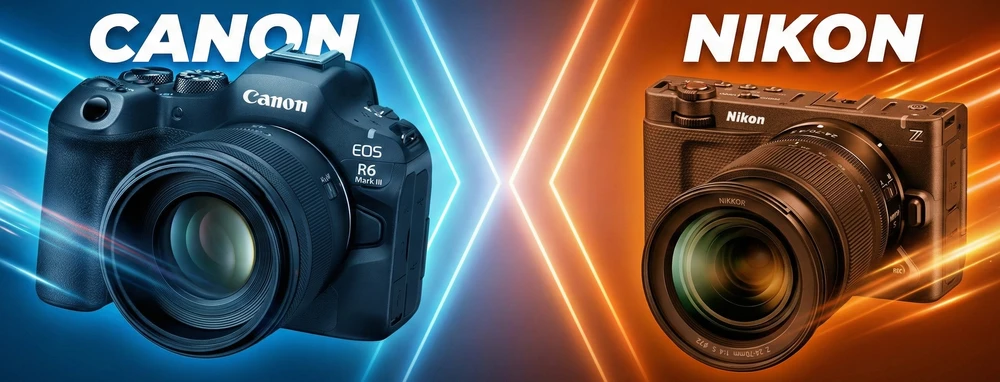
In 2025, the full-frame mirrorless camera market has solidified around two proposals that, while competing in a similar segment, represent clearly different usage philosophies: the Nikon ZR and the Canon EOS R6 Mark III.
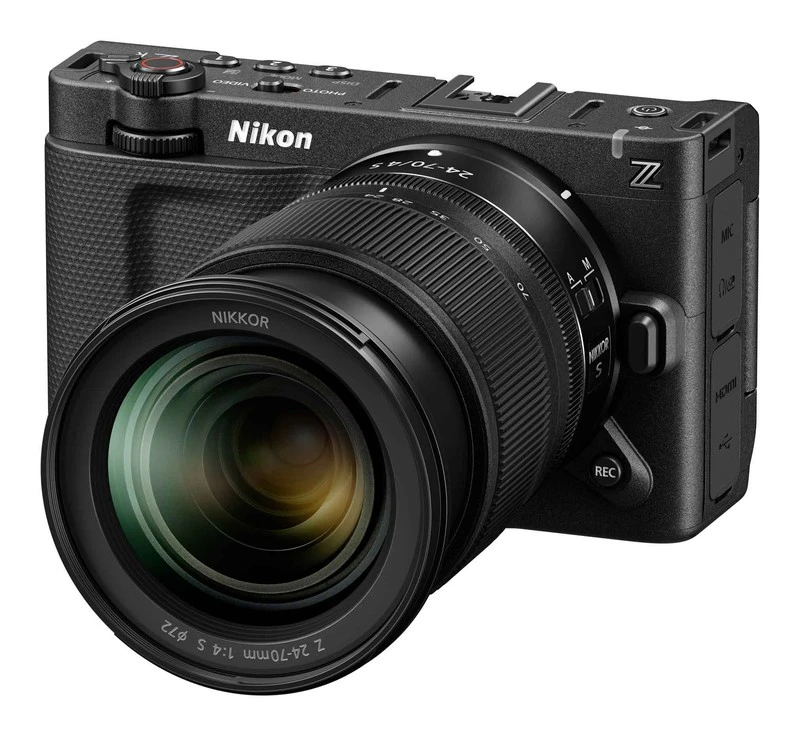
The Nikon ZR is a camera designed from the ground up for professional video production. As part of Nikon’s Z CINEMA line, it integrates advanced codecs and video-centric technologies, delivering a distinctly cinematic approach with high-resolution internal recording and tools tailored for demanding video workflows.
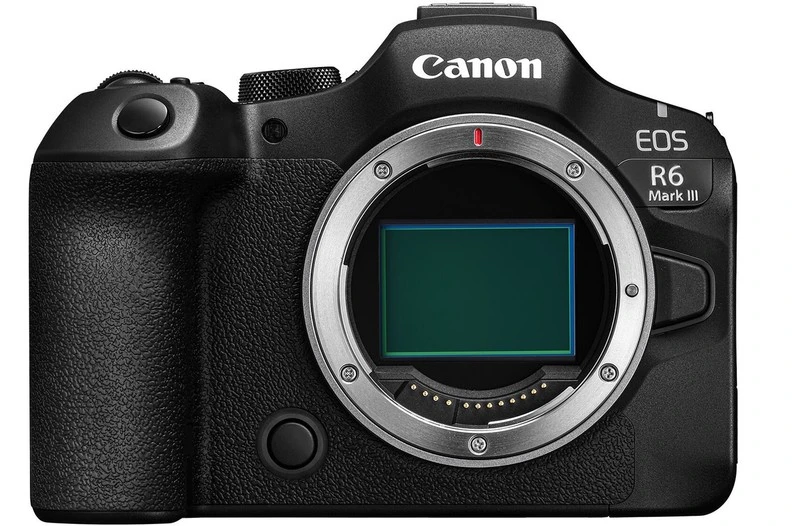
By contrast, the Canon EOS R6 Mark III positions itself as a high-end hybrid camera, aimed at photographers and videographers who require a true balance between top-tier stills performance—such as action, wildlife, or events—and advanced video capabilities.
In this technical comparison, we analyze specifications, strengths, and limitations to help determine which camera best fits your workflow and creative needs.
Technical Comparison
Nikon ZR
- Sensor: 24.5 MP full-frame CMOS
- Maximum video: 6K RAW up to 60 fps; 4K up to 120 fps; Full HD up to 240 fps
- Mount: Nikon Z
- IBIS: Up to 7.5 stops
- EVF: ❌ Not included
- Screen: 4.0" fully articulated LCD
- RAW formats: R3D NE (12-bit), N-RAW, ProRes RAW, ProRes 422 HQ
- Cinema-oriented body: Compact design without built-in viewfinder
- Weight ≈: 630 g (body only)
- Media: CFexpress Type B and microSD (UHS-I)
- Autofocus: AI-based subject detection (people, animals, vehicles)
For full specifications, see the dedicated page for the Nikon ZR
Full aspects: Nikon ZR vs Canon R6 Mark III
Canon EOS R6 Mark III
- Sensor: 32.5 MP full-frame CMOS
- Maximum video: 7K RAW up to 60 fps; 4K up to 120 fps; Open Gate
- Mount: Canon RF
- IBIS: Up to ~8.5 stops
- EVF: ✅ Electronic viewfinder, ~3.69M dots
- Screen: 3.0" fully articulated LCD
- Autofocus: Dual Pixel CMOS AF II with advanced subject tracking
- Photo burst: Up to 40 fps (electronic shutter) / 12 fps (mechanical)
- Card slots: Dual slots – CFexpress Type B + SD UHS-II
- Weight ≈: 699 g
- Extras: Pre-capture, crop modes, large buffer for extended bursts
Detailed specifications are available on the Canon EOS R6 Mark III page
Full aspects: Nikon ZR vs Canon R6 Mark III
Sensor and Resolution
- The Nikon ZR features a 24.5-megapixel full-frame sensor, optimized for fast readout and video efficiency, offering strong dynamic range and internal support for multiple RAW formats without the need for external recorders.
- The Canon EOS R6 Mark III raises the bar with 32.5 megapixels, providing higher detail for photography, greater cropping flexibility, and added versatility for hybrid productions.
Video Capabilities: 6K vs 7K
- The Nikon ZR records 6K RAW internally up to 60 fps, supporting formats such as R3D NE, N-RAW, and ProRes RAW. This positions it as a powerful tool for filmmakers who prioritize color depth and post-production flexibility without relying on external recorders.
- The Canon EOS R6 Mark III offers 7K RAW up to 60 fps, along with 4K at 120 fps and Open Gate recording that utilizes the full sensor area. This makes it particularly attractive for creators seeking maximum resolution alongside flexible delivery formats.
Stills Performance
- For photography, the Canon EOS R6 Mark III holds a clear advantage. Its 32.5 MP sensor, combined with burst rates of up to 40 fps using the electronic shutter and a deep buffer, makes it highly competitive for sports, wildlife, and fast-action photography.
- The Nikon ZR, being primarily video-oriented, omits a built-in viewfinder and prioritizes cinema ergonomics. While it can capture 24.5 MP stills, photography is not its primary focus.
Autofocus, Stabilization, and Usability
- The Canon EOS R6 Mark III incorporates Canon’s proven Dual Pixel CMOS AF II, offering reliable subject detection and tracking for people, animals, and vehicles in both photo and video modes.
- The Nikon ZR also features advanced AI-based autofocus, but it is clearly optimized for smooth and reliable tracking in video workflows rather than high-speed photographic action.
- In terms of in-body image stabilization, Canon maintains a slight edge, with up to ~8.5 stops compared to Nikon’s 7.5 stops—an advantage for demanding handheld shooting.
Ergonomics and Connectivity
- The Nikon ZR embraces its role as a compact cinema camera, sacrificing a built-in EVF and certain photographic controls in favor of a video-centric design. Its bright 4" articulated screen improves monitoring in outdoor or rig-based setups.
- The Canon EOS R6 Mark III retains a traditional hybrid mirrorless design, complete with an integrated EVF, balanced ergonomics, and intuitive controls for switching between photo and video. Dual card slots further enhance reliability in professional workflows.
Conclusion: Which One Should You Choose?
The Nikon ZR is best suited for:
- Professional filmmakers and video-first creators
- Productions requiring internal RAW recording without external devices
- Documentary shooters and gimbal operators seeking lightweight cinematic quality
The Canon EOS R6 Mark III is ideal for:
- Hybrid creators who regularly switch between photo and video
- Photographers who need high resolution and fast burst rates
- Professionals looking for a single, versatile camera for events, sports, and video production.
Useful links
Some links may be affiliate links (sponsored).