The Price of a Perfect Photo
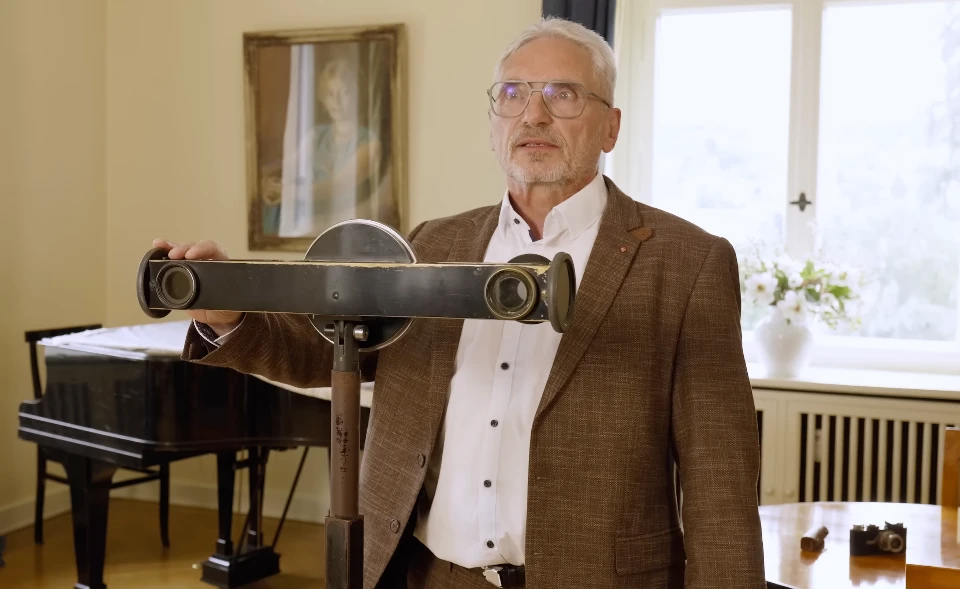
There was a time when you had to measure the distance. By hand. With an instrument.
That was photography in 1925. Before pressing the shutter, the photographer would mount the Fodis — an external rangefinder designed by Oscar Barnack — onto the camera. Look through the eyepiece. See two images of the same subject, slightly offset. Slowly turn a wheel until both images merged into one. Read the number on the scale. Focus the lens to that distance. Reframe. And only then, shoot.
All of that, for a single photograph.
It wasn't clumsiness or lack of ingenuity. It was the limit of what the knowledge of the time allowed. The human eye simply cannot estimate with any precision how many meters lie between it and a subject. And without that exact distance, the photo came out blurred. Barnack understood this, and built a mechanical solution based on a millennia-old principle: triangulation. Two beams of light, an angle, a coincidence. The same principle used by surveyors and navigators for centuries — miniaturized and put to work in the service of capturing a moment.
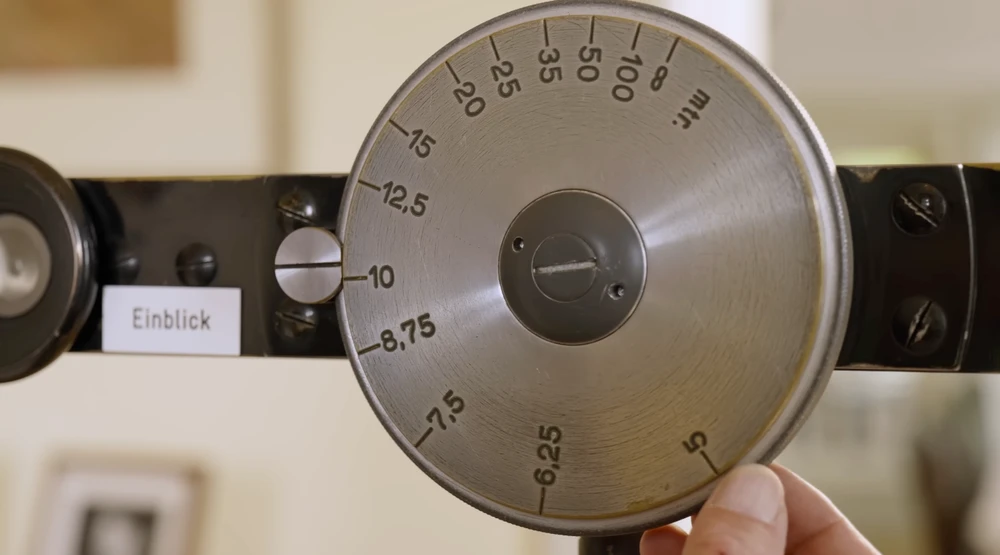
In 1930, that mechanism stopped being an external accessory and was integrated into the body of the Leica II. A small lever inside the camera began reading the position of the lens and transmitting it to the rangefinder in real time. No more pulling out a separate instrument. But there were still two eyepieces on the back: one to focus, one to frame. Two steps. Two windows. Two distinct moments before every shot.
The definitive solution took another 24 years. In 1954 the Leica M3 arrived, and for the first time a photographer could look through a single eyepiece and see both the frame and the focus information simultaneously. One gesture. One moment of decision.
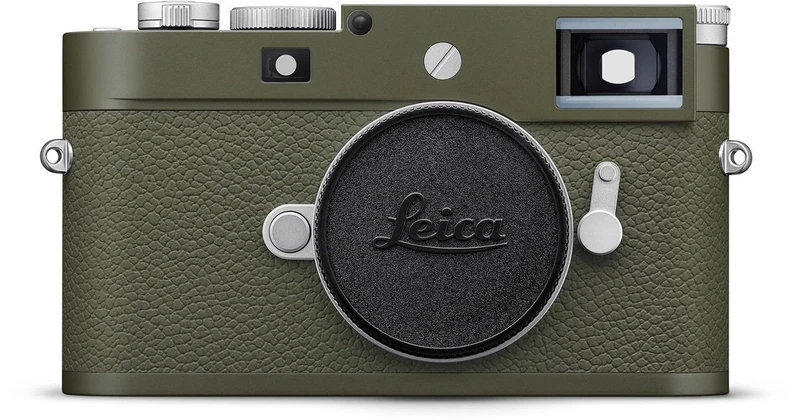
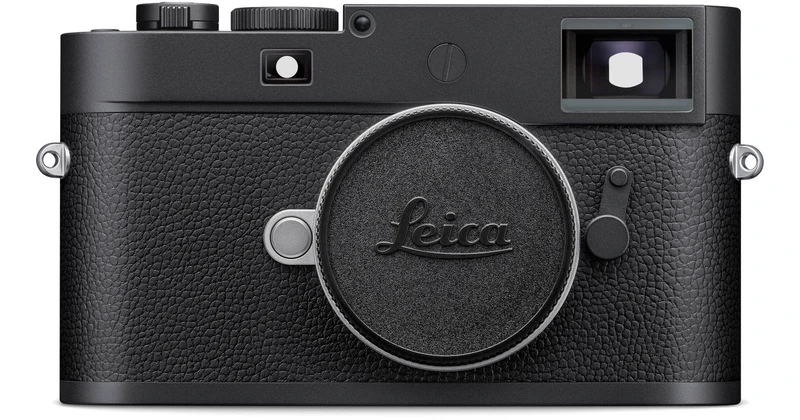
What is hard to believe today is that the mechanical lever from 1930 — that small bridge between the lens and the rangefinder — still exists in current Leica M cameras. Identical in principle. Same place. Barnack's soul, as the curator of the Leica Museum puts it, literally buried in the metal of a 21st-century camera.
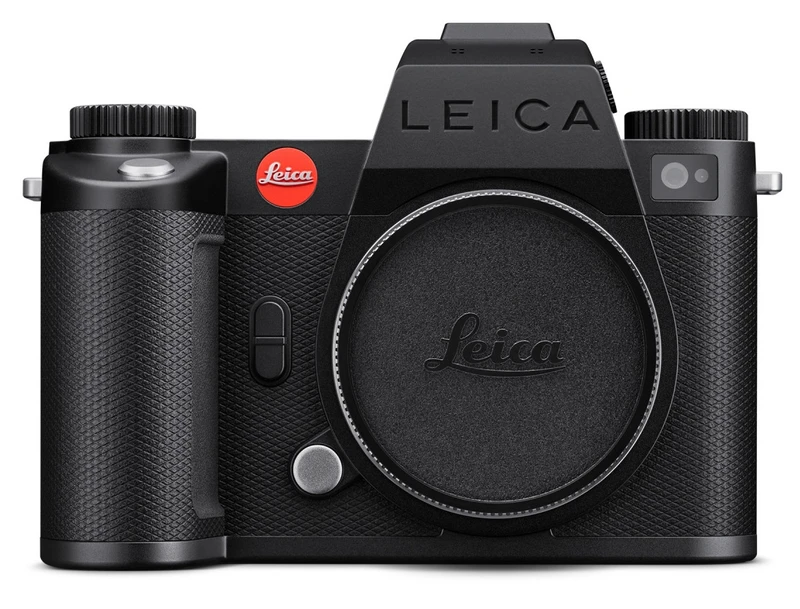
Your camera today solves all of this in milliseconds. Phase-detection sensors measure distances with a precision Barnack could not have imagined. The electronic viewfinder shows you exactly how the photo will look before you take it — exposure, depth of field, color. No estimates. No preliminary steps. No wheels to turn, no images to align.
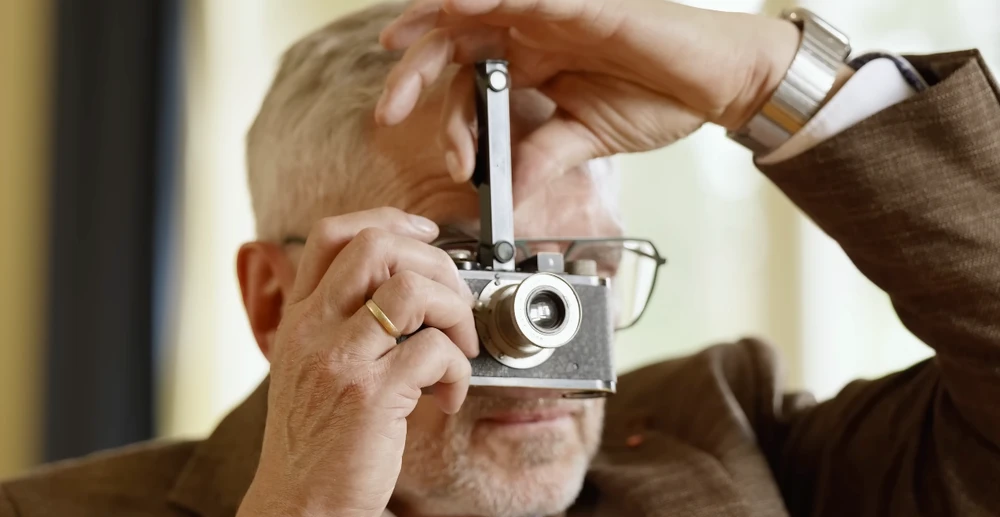
And that is precisely why we take hundreds of photos where before there was one.
Not because we are better photographers — but because the cost of getting it wrong has disappeared. Barnack and his contemporaries built each image with the awareness that the process of arriving at it was long, physical, almost ritualistic. That friction was not a flaw in the system. It was what forced you to think before shooting. To decide. To truly see what was in front of you before capturing it.
Today we call that friction an inconvenience, and we have eliminated it with efficiency and enthusiasm.
The result is an era with more images than ever and, paradoxically, fewer worth looking at twice. Not because cameras are worse — they are infinitely better. But because the pursuit of the perfect shot, that slow and obsessive process Barnack called Momentaufnahme, is no longer necessary. And what is no longer necessary gets abandoned.
The lever is still there, in the M cameras. But few go looking for it.
Useful links
Some links may be affiliate links (sponsored).