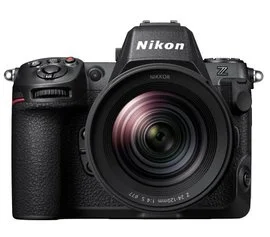
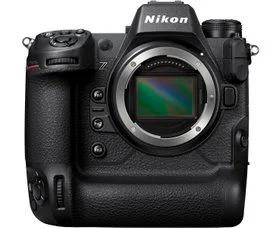
The Biggest Problems of the Nikon Z8 and Z9: What Users Need to Know
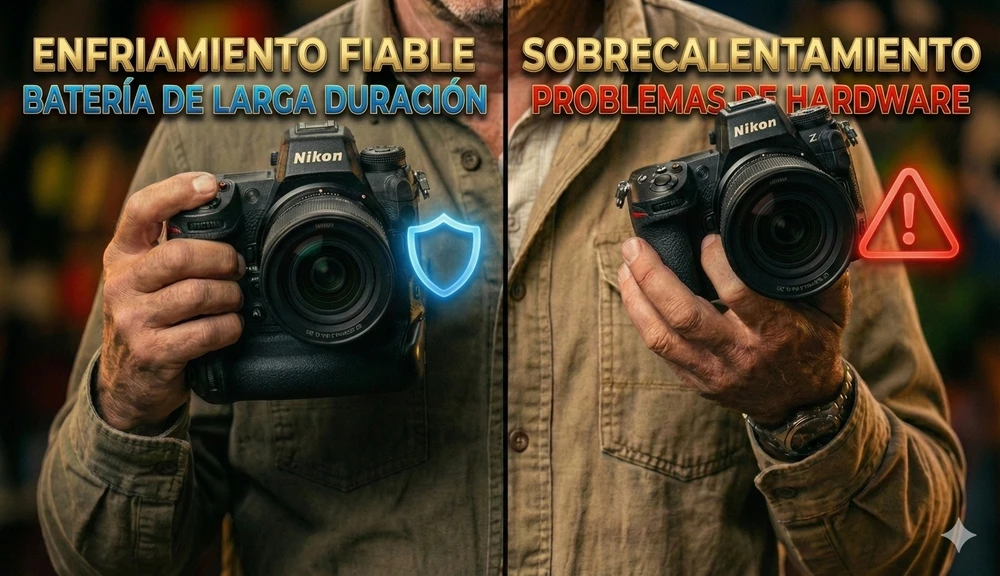
The Nikon Z8 and Z9 have earned a strong reputation among professionals thanks to their power, autofocus performance, and advanced stills and video capabilities. However, behind the impressive specs, both cameras present real issues that many users encounter in day-to-day work. This article briefly outlines the key problems you should be aware of before buying, upgrading, or relying on either model in demanding environments.
One of the most discussed concerns is thermal management.
While the Z9 is generally more stable, the Z8 has received numerous complaints about overheating, especially during extended video sessions. This affects both recording continuity and overall reliability in warm conditions. Added to that is the high power consumption, which can be noticeable on both models when the processor is pushed or when using the electronic viewfinder intensively.
Another common criticism involves weight and ergonomics, particularly on the Z9. Studio and sports photographers may not mind the size, but users working in street photography, travel, or long event days often find the body tiring over time. The Z8 addresses this partly with a lighter design, but introduces heat-related risks in exchange.
In video workflows, although both cameras excel on paper, users point to issues like rolling-shutter performance, limitations in internal RAW recording, and the requirement for very fast (and expensive) cards to sustain maximum performance. For some, the system feels more demanding than competing solutions.
Finally, there is ongoing concern about the long-term durability of an all-electronic shutter, especially on the Z9. While Nikon stands by the reliability of its design, some professionals remain cautious about fully mechanical-shutter-less systems.
Overall, the Nikon Z8 and Z9 remain exceptional tools, but they are not without compromises. Understanding these problems helps photographers and videographers make better-informed decisions based on their shooting style, environment, and performance needs.