Three Common Mistakes to Avoid When Starting Photography to Save Time and Money
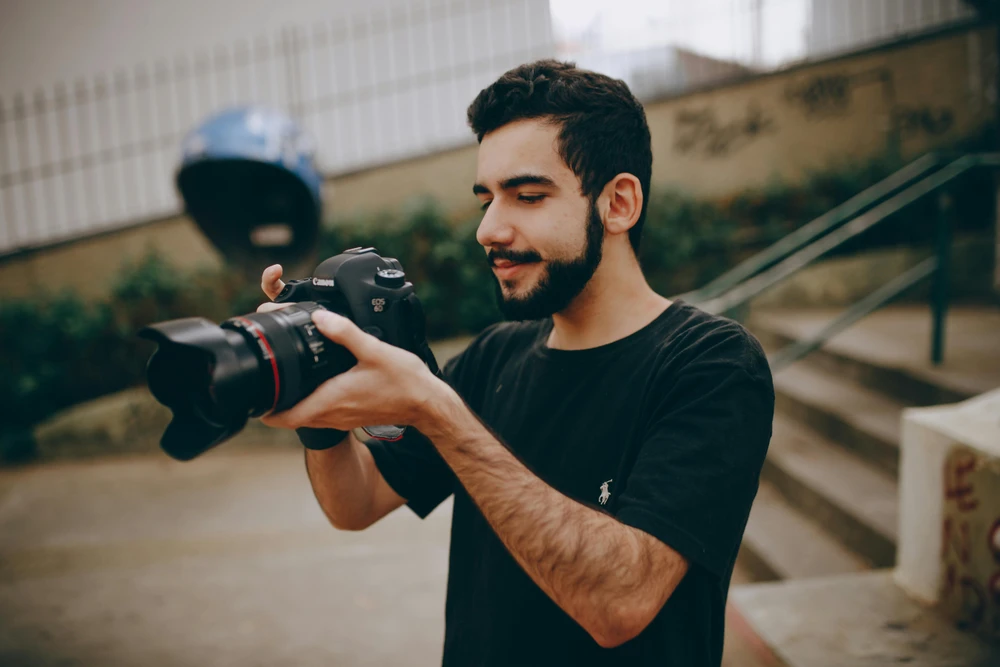
Starting your journey in photography is an exciting process, but it can also be frustrating and expensive if decisions are made based on impulses or misunderstandings. Beginners often believe that success depends exclusively on having the most advanced gear, when the reality is quite different.
The following analysis breaks down the most frequent pitfalls for those taking their first steps and how to focus on what truly matters to grow as a visual creator:
- The Trap of Excessive Gear: Many beginners wrongly believe that buying a more expensive camera or the latest model will automatically improve their photos. In reality, it is better to master a basic camera before investing in professional equipment, as a sophisticated tool cannot compensate for a lack of technique or artistic vision.
- The Obsession with Megapixels: There is a misconception that more megapixels equal better image quality. While useful for large-format printing or aggressive cropping, for most digital uses and social media, a moderate amount of megapixels is more than enough, allowing for lighter files and a faster workflow.
- Ignoring the Importance of Lenses: Often, the entire budget is spent on the camera body while neglecting the optics. Lenses have a much greater impact on aesthetics, sharpness, and background blur than the camera body itself, making an investment in high-quality glass a smarter financial decision in the long run.
- Underestimating Technical Training: Gear is useless if the user does not understand fundamental concepts such as aperture, shutter speed, and ISO sensitivity. Spending time studying exposure and composition yields better results than buying unnecessary accessories that will end up forgotten in a drawer.
- The Lack of Constant Practice: Theory is necessary, but photography is a practical discipline. The mistake of waiting for the "perfect scene" or the "ideal equipment" before going out to shoot stunts growth; true improvement comes from daily experimentation and learning from the mistakes made in every shot.
Conclusion
This perspective is essential for any image enthusiast because it reminds us that photography is an art that depends on the skill of the human eye rather than the depth of one's wallet. By avoiding these hasty decisions, creators can ensure that their resources—both time and money—are directed toward what truly transforms an amateur into a photographer: technical training and the development of visual judgment.