Nikon Z6 III vs Nikon ZR (2026) Hybrid or Cinema? | Complete Comparison
1. Introduction: Two Different Approaches (Hybrid vs Cinema)
In today's digital imaging landscape, Nikon has charted two very clear paths for its users. If you're torn between nikon z6 iii vs nikon zr, the fundamental decision comes down to your workflow: are you a hybrid creator or a pure filmmaker?
The Nikon Z6 III positions itself as the "hybrid king," designed for those who need to alternate between high-speed photography and professional video with a traditional ergonomic body and electronic viewfinder. On the other hand, the Nikon ZR is the first camera in the "Z Cinema" series, born from Nikon's acquisition of RED. It's a specialized, compact tool without a viewfinder that integrates RED's color science and cinema codecs in a "box-style" body.
Launch context: Both cameras were officially introduced in 2025: the Nikon Z6 III around mid-year and the Nikon ZR towards the end, as part of the new "Z Cinema" line following the RED acquisition. This comparison is designed to help you decide in 2026, when both are available in the market and comprehensive reviews and real user experiences are emerging.
2. Quick Comparison: Key Specifications
To quickly understand the Z6 iii vs ZR dilemma, here are the key differences:
Nikon Z6 III
- Focus: Hybrid (Photo and Video)
- Sensor: 25MP Partially-Stacked CMOS
- Viewfinder (EVF): Yes (5.67M dots, 4000 nits)
- Shutter: Mechanical and Electronic
- RAW Video: N-RAW, ProRes RAW
- Audio: 24-bit
- Screen: 3.2" Articulated
- Weight: ~760g
- Price (January 2026): ~$2,196 USD
Nikon ZR
- Focus: Cinema / Video First
- Sensor: 25MP Partially-Stacked CMOS
- Viewfinder (EVF): None (uses 4" LCD)
- Shutter: Electronic Only
- RAW Video: REDCODE RAW (R3D NE), N-RAW
- Audio: 32-bit Float internal
- Screen: 4.0" Articulated (1000 nits)
- Weight: ~630g
- Price (January 2026): ~$2,199 USD
3. Sensor and Resolution (Both Are 25MP)
- It's important to clarify a vital technical point when comparing z6iii vs zr. Both cameras share the same heart: a partially-stacked CMOS sensor with 25 megapixels.
- This sensor allows much faster data readout than previous models (like the Z6II), drastically reducing rolling shutter. There's no resolution difference between these two models; both offer the same base resolution of 25MP, optimized for both sharp photos and full 6K video readout.
- The "partially-stacked" architecture is a perfect balance between readout speed (necessary for high-quality video) and manufacturing cost, allowing both cameras to maintain competitive prices without sacrificing performance.
4. Video Capabilities (4K 120p vs 6K RAW)
This is where the battle nikon z6 vs zr gets interesting. Both are video beasts, but they speak slightly different "languages":
Nikon ZR: The RED Advantage
- Its great advantage is the integration of RED technology. It records internally in REDCODE RAW (R3D NE) at 12-bit up to 6K 60p. This gives you access to RED's color science, Log3G10 curves, and the REDWideGamutRGB color space, facilitating post-production work with professional cinema workflows.
- Additionally, it features 32-bit float internal audio recording, making it nearly impossible to clip audio even in environments with extreme dynamic ranges.
Nikon Z6 III: RAW Versatility
- It's also extremely capable, recording 6K 60p in N-RAW and ProRes RAW HQ formats internally. Both cameras can record 4K at 120p (with DX crop) and Full HD at 240p for cinematic slow motion.
Video Verdict
- If you're looking for that Hollywood cinema "look" and compatibility with professional RED cameras, the ZR is the clear winner. If you're comfortable with N-RAW or ProRes RAW and need versatility, the Z6 III is equally powerful.
5. Focus and IBIS
Nikon has equipped both cameras with the EXPEED 7 processor (the same as the Z8 and Z9), ensuring stellar focus performance.
Autofocus
- Both feature Deep Learning-based subject detection (people, animals, vehicles, aircraft). The Z6 III recently received a firmware update (v2.00) that adds a dedicated "Birds" mode, improving detection in complex environments.
Stabilization (IBIS)
- The Z6 III offers in-body stabilization up to 8 stops, while the ZR offers up to 7.5 stops. In practice, both are excellent for handheld shooting, eliminating micro-jitters and allowing longer exposures without a tripod.
6. Ergonomics and Design
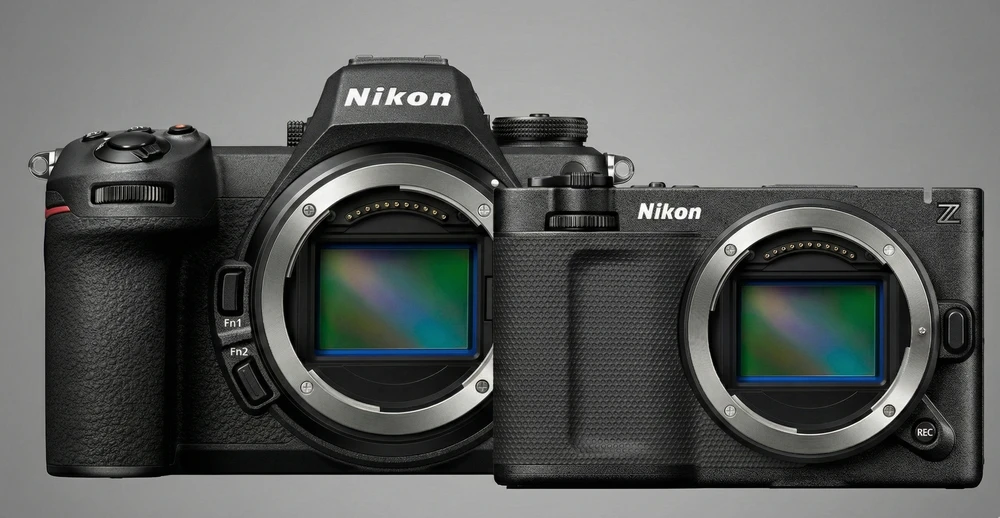
The physical difference is radical when analyzing z6 iii vs zr:
Nikon Z6 III: Classic Design
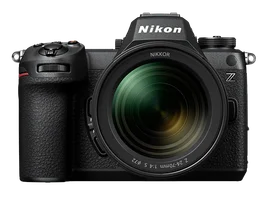
- It has the traditional hybrid camera design. Its biggest advantage for photographers is the electronic viewfinder (EVF), which is the brightest in its class (4000 nits outdoors). It also features a mechanical shutter, essential for using flash at high sync speeds or avoiding banding under certain artificial lights.
- Dimensions: 760g · 139 x 102 x 74 mm
Nikon ZR: Cinema Design
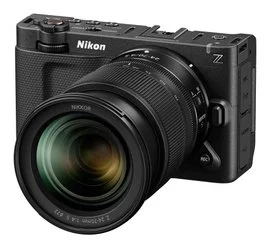
- It has a "box" or rangefinder-style design, similar to a small RED Komodo. It has no viewfinder (EVF) or mechanical shutter (electronic only). In exchange, it offers a massive 4-inch fully articulated and very bright rear screen (1000 nits), designed for monitoring video without external accessories.
- Its body is lighter and features multiple threaded holes for easy mounting on rigs or gimbals.
- Dimensions: 630g · 133 x 81 x 49 mm
7. Price and Value (January 2026)
For the January 2026 market, when both models have been in circulation for several months since their 2025 launch, the value proposition is aggressive on both fronts:
Nikon ZR
- It launched with a body price of approximately $2,199 USD (2025 launch). It's considered a bargain in the cinema world, costing almost half of competitors like the Sony FX3, while offering internal RAW and RED codecs. The price has remained stable in January 2026.
Nikon Z6 III
- Its launch price in 2024/2025 was around $2,499 USD, but it has been reduced to approximately $2,196 USD in recent January 2026 deals.
- Price conclusion: Basically, they cost nearly the same in the current January 2026 market, so price shouldn't be the deciding factor, but rather functionality and your specific workflow.
8. Conclusion: Who Each Camera Is For
Choose the Nikon Z6 III if:
- ✅ You're a hybrid photographer or creator who needs versatility
- ✅ The electronic viewfinder is essential for your work
- ✅ You need a mechanical shutter for event, sports, or nature photography
- ✅ You're looking for an "all-in-one" camera for professional photo and video
- ✅ Your workflow is already optimized for N-RAW or ProRes RAW
Choose the Nikon ZR if:
- 🎬 Your priority is video (80-90% of your work)
- 🎬 You want access to REDCODE RAW codec and RED color science
- 🎬 You need 32-bit float internal audio recording
- 🎬 You're looking for a compact form factor to mount on gimbals, drones, or rigs
- 🎬 It's your B-camera for a RED production or main camera for documentarians
Related:
Comparisons you might also be interested in:
- Nikon ZR vs Canon R6 Mark III: Complete 2026 Comparison - Discover how the ZR compares to Canon's competition
- Interactive Technical Comparator: Z6 III vs ZR - Explore all specifications side by side